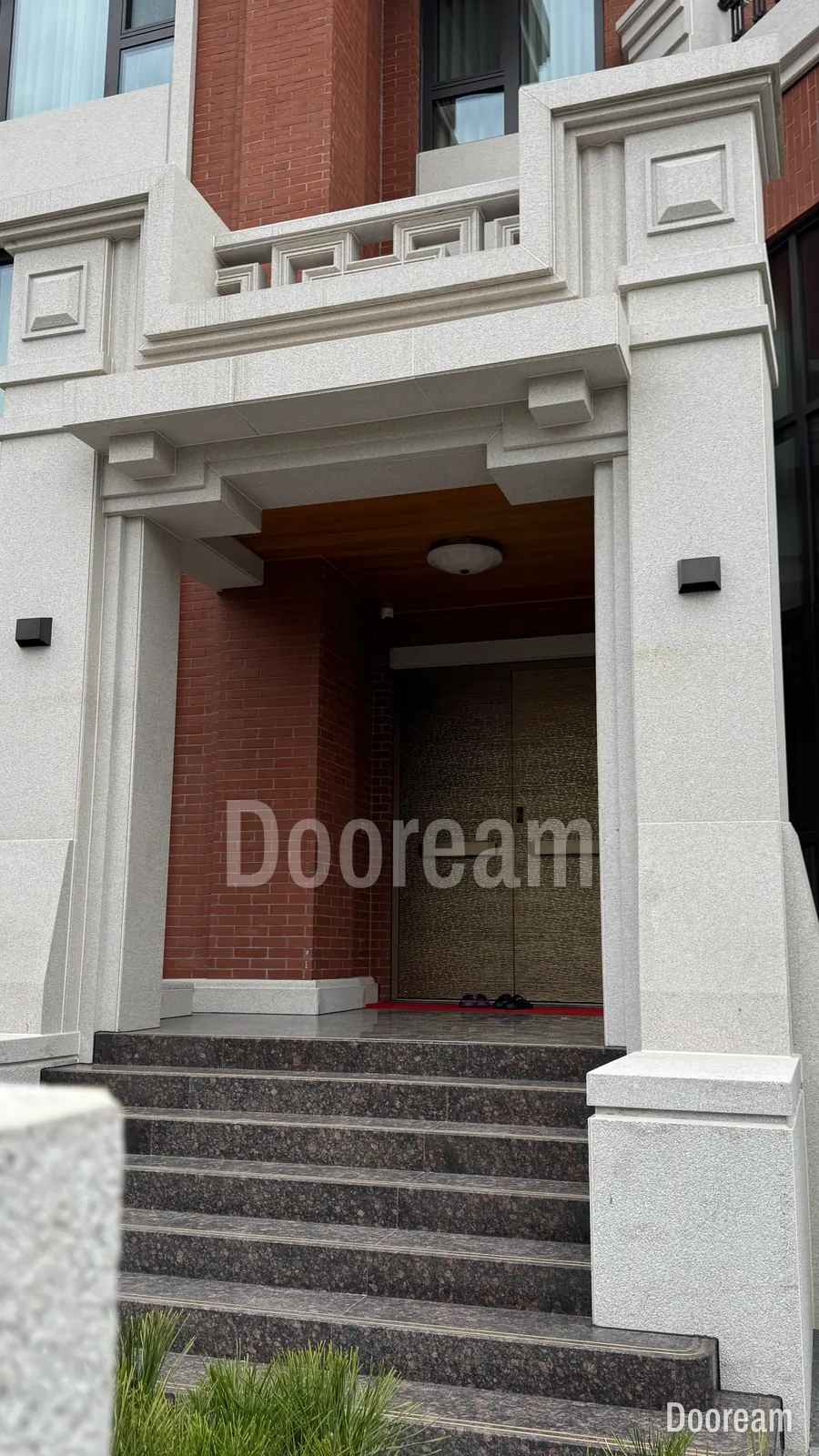
Short answer: the importer in each country clears the door and pays the GCC common duty of 5% on most goods, plus VAT of 10% in Bahrain, 5% in Oman and none in Qatar or Kuwait. We found no conformity scheme that names manually operated entrance doors, though Kuwait’s KUCAS needs checking. On 18 November 2026 Maersk accepted dry containers for all four countries, but not oversized crates for Qatar, Kuwait or Bahrain.
For the UAE and Saudi Arabia, see our guides to importing into the UAE and Saudi Arabia and SABER.
How do the four countries compare?
All four belong to the GCC Customs Union, which charges 5% on goods from outside the union and collects it at the first point of entry. They differ on VAT, on who may import, on legalisation and on the ports ships can reach in 2026.
| Qatar | Kuwait | Bahrain | Oman | |
|---|---|---|---|---|
| Customs duty | 5% of CIF value, most goods | 5% of CIF value, most goods | 5% on most goods from outside the GCC | GCC common rate; broker confirms the line |
| VAT | None | None | 10% standard rate | 5% standard rate |
| Conformity scheme | None found for doors | KUCAS (PAI); building group to check | Port checks on a list without doors | Manufacturer’s declaration and test report |
| Legalisation | Foreign ministry attests invoices and certificates of origin; ask if needed | Invoice and certificate of origin legalised by a chamber of commerce | None listed by customs | Ministry attestation now through Oman Post; ask if needed |
| Who imports | Licensed Qatari importer | Kuwaiti importer; only local agents clear | Importer, representative or authorised customs broker | Ask your clearing agent |
| Main ports | Hamad | Shuwaikh, Shuaiba | Khalifa Bin Salman | Sohar, Salalah, Duqm |
What duty and VAT will you pay?
Customs duty is 5% for most goods in Qatar, Kuwait and Bahrain. Oman uses the same GCC common tariff, but the US trade guide says only that its duties generally do not exceed 10%, so ask your broker to confirm the line. VAT is nil in Qatar and Kuwait, 10% in Bahrain and 5% in Oman.
- HS code. Since 1 January 2025 all six GCC states use a 12-digit integrated tariff. The first six digits are international: 7610.10 for aluminium doors, 7308.30 for iron or steel. An armoured aluminium door with steel sheets can be argued either way, so give the broker a material breakdown (heading texts).
- VAT status. PwC’s roundup for the third quarter of 2026 says VAT is “not yet introduced” in Qatar or Kuwait. Check again before you price a project.
- CIF value. Qatar and Kuwait charge duty on the CIF value. Our prices are EXW, so add trucking, sea freight and insurance first (EXW vs landed cost, Incoterms).
- Where duty is paid. At the first point of entry into the union. If a door lands in Oman or the UAE and goes on by truck or feeder, ask whether it moves in bond.
Does an entrance door need a conformity certificate?
In the official and inspection-company sources we read, none of the four has a conformity scheme that names manually operated entrance doors. Kuwait is the one to check: its KUCAS scheme has a building and construction group with no published product list. Check any smart lock separately.
- Qatar. The US trade guide (August 2025) says certification can rest on the manufacturer’s certificate, a self-declaration or accredited laboratory tests, and names no door scheme. Check with your broker and the project consultant.
- Kuwait. KUCAS is mandated by the Public Authority for Industry (PAI). Bureau Veritas’s datasheet (August 2024) lists “Building and Construction” as Group VI without a product list. Ask PAI or a recognised inspection company before shipping.
- Bahrain. The Bahrain Standards and Metrology Directorate checks regulated products at Khalifa Bin Salman Port: cement, asbestos and electric appliances among them, but not doors.
- Oman. The Directorate General for Specifications and Metrology admits non-food products on a manufacturer’s declaration of conformity with a verified test report, and may test samples of goods without certificates.
What documents and legalisation does each country ask for?
Plan on a commercial invoice, packing list, certificate of origin and bill of lading for every shipment. Legalisation differs: Kuwait wants the invoice and certificate of origin legalised by a chamber of commerce, Qatar and Oman offer foreign-ministry attestation, and Bahrain Customs lists none. Confirm with the broker before the door ships.
- Qatar. Since 1 April 2011 customs has required official invoices, an official certificate of origin and packing lists; without them, goods are returned to origin. The HS code goes on the invoice and certificate, and “Made in” on each piece and carton. Import licences go only to Qatari nationals or the Qatari partner in a company.
- Kuwait. An original and two copies of the invoice and of the certificate of origin, a stamped packing list, and three copies of the bill of lading naming the Kuwaiti licence holder. Only local agents clear goods.
- Bahrain. A unified customs declaration with the invoices and original bill of lading. Customs may ask for an Arabic translation, and accepts a copy invoice if the original follows within 90 days.
- Oman. Clearance is paperless. Foreign-ministry attestation of invoices and certificates of origin now runs through Oman Post (page updated 24 August 2026).
A door sold under a dealer’s own brand is still made in China, and the certificate of origin says so.
Which ports can a door reach in November 2026?
Hamad, Shuwaikh, Shuaiba and Khalifa Bin Salman lie inside the Gulf, behind the Strait of Hormuz; Sohar, Salalah and Duqm lie outside it. On 18 November 2026 Maersk accepted standard dry containers for all four countries, often by transhipment, but not oversized crates for Qatar, Kuwait or Bahrain. Ask your forwarder for the route in a dated quote.
| Country | Port | What carriers said |
|---|---|---|
| Qatar | Hamad | Maersk, 18 November: dry bookings accepted, out-of-gauge suspended. Hapag-Lloyd, 6 November: waits of up to 24 hours |
| Kuwait | Shuwaikh, Shuaiba | Maersk, 18 November: dry bookings accepted, out-of-gauge suspended. No advisory we read names either port |
| Bahrain | Khalifa Bin Salman | Maersk, 18 November: dry bookings accepted, out-of-gauge suspended. Hapag-Lloyd, 6 November: berthing delays of up to 2 days |
| Oman | Sohar, Salalah, Duqm | Maersk, 18 November: dry bookings to Salalah and Sohar; out-of-gauge to Salalah on a limited basis; Duqm import empties go back to Salalah or Jeddah. Hapag-Lloyd, 6 November: Sohar berthing delays of 2–3 days; Salalah yard at 84%, delays of up to 36 hours |
- Maersk routing. Its booking options for Kuwait, Qatar and Bahrain list Asia Pacific cargo via Khor Fakkan, on the UAE’s east coast. It had paused landside bookings from Salalah and Sohar to those countries, Saudi Arabia and the UAE. It also charges an extra fee per container on vessels that transit the Strait of Hormuz.
- CMA CGM. Its newest Middle East advisory (#14, 18 September 2026) is a fuel surcharge. The latest routing one (#9, 11 March 2026) reopened imports to Kuwait, Qatar and Bahrain via Jeddah, or by bonded land bridge from Khor Fakkan, Fujairah or Sohar, then feeders. Ask whether it still applies.
- MSC. On 3 March 2026 MSC declared end of voyage for Arabian Gulf shipments, discharging cargo at the next safe port. We found no later MSC routing advisory for these countries.
- Large crates. With out-of-gauge cargo suspended for Qatar, Kuwait and Bahrain, the crate must fit a closed container. Our pivot doors go up to 4,000 × 8,000 mm and double doors to 3,000 × 6,000 mm; check the crate against the container sizes in our shipping guide.
- Insurance. Cover war risks for the whole route, including any truck leg (crating and damage claims).
What about heat and dust?
Plan for both in all four countries. Heat ages finishes, makes aluminium expand and tests smart locks; blown dust works into seals, sills and locks. See entrance doors for hot climates, dust-proof entrance doors and, for sizes and styles, our villa entrance doors guide.
Importer checklist
- Licensed importer in the destination country, or a local clearing agent.
- HS code agreed from a material breakdown, and identical on invoice, certificate of origin and declaration.
- Duty and VAT worked out on the CIF value.
- KUCAS (Kuwait), the port list (Bahrain) or the declaration (Oman) checked for the door and any smart lock.
- Legalisation or attestation arranged where asked.
- Country of origin marked on the door and each crate.
- Route, transhipment hub and any in-bond truck leg confirmed in a dated quote.
- Crate checked against a closed container.
- War-risk cargo insurance for the whole route.
- Installers, site access and lifting booked.
How does this work with Dooream?
We sell EXW from our factory in Wuyi, Zhejiang, so your forwarder collects the crate and books the freight; for another Incoterm, ask. Production takes 35–45 days after drawing approval and the 50% deposit. We send photos and video of the finished door, and the other 50% is paid before it ships, packed in blankets, foam and a wooden crate. We have no approvals or certificates specific to Qatar, Kuwait, Bahrain or Oman; if an authority asks for test evidence, testing can be arranged with a laboratory, usually at the buyer’s cost. Your local installers fit the door with our installation drawings and remote guidance, and the warranty runs two years from shipment. Dealers can have doors made under their own brand. See working with us as a dealer or send your opening through our contact page.
Sources, checked November 2026: Federal Authority for Identity, Citizenship, Customs & Port Security, Customs Union for GCC States; KPMG, GCC countries implement integrated customs tariff (13 January 2025); Japan Tariff Association, HS 7610.10; International Trade Administration, Qatar import tariffs (20 August 2025), import requirements and documentation (29 July 2024) and standards for trade (20 August 2025); Kuwait import tariffs and import requirements and documentation (29 April 2026) and standards for trade (27 April 2026); Bahrain import tariffs (1 December 2025) and standards for trade (8 May 2024); Oman import tariffs and import requirements and documentation (18 December 2025) and standards for trade (19 December 2025); PwC, GCC indirect tax news roundup, Q3 2026; Bureau Veritas, Kuwait (KUCAS) datasheet, rev. 8.4 (August 2024); Bahrain Customs, commercial import; Embassy of the State of Qatar in Bangkok, consular services (attestation of commercial documents); Oman Ministry of Foreign Affairs, attestation services (updated 24 August 2026); Logistics Cluster, Kuwait port assessment; Maersk, Middle East Operational Update 55 (18 November 2026); Hapag-Lloyd, Middle East operational update, week 45 (6 November 2026); CMA CGM, Middle East situation updates (advisories #9, 11 March 2026, and #14, 18 September 2026); MSC, end of voyage declaration for shipments to the Arabian Gulf (3 March 2026).
Quick answers
What duty and VAT apply to entrance doors imported into Qatar, Kuwait, Bahrain and Oman?
Customs duty is the GCC common rate of 5% for most goods from outside the union, charged on the CIF value in Qatar and Kuwait; your broker confirms the 12-digit tariff line. VAT is nil in Qatar and Kuwait, 10% in Bahrain and 5% in Oman, according to PwC's roundup for the third quarter of 2026.
Does an entrance door need a conformity certificate in these countries?
We found no scheme in the four that names manually operated entrance doors. Kuwait's KUCAS has a building and construction group with no published product list, so ask PAI or a recognised inspection company. Oman accepts non-food products on a manufacturer's declaration with a verified test report. Bahrain's port checks cover a list that does not include doors.
Which ports can a door from China reach in November 2026?
On 18 November 2026 Maersk accepted dry container bookings to Qatar, Kuwait and Bahrain and to Salalah and Sohar in Oman, but had suspended out-of-gauge cargo to Qatar, Kuwait and Bahrain. On 6 November Hapag-Lloyd reported berthing delays of up to 2 days at Khalifa Bin Salman and 2–3 days at Sohar. Ask your forwarder for the route.