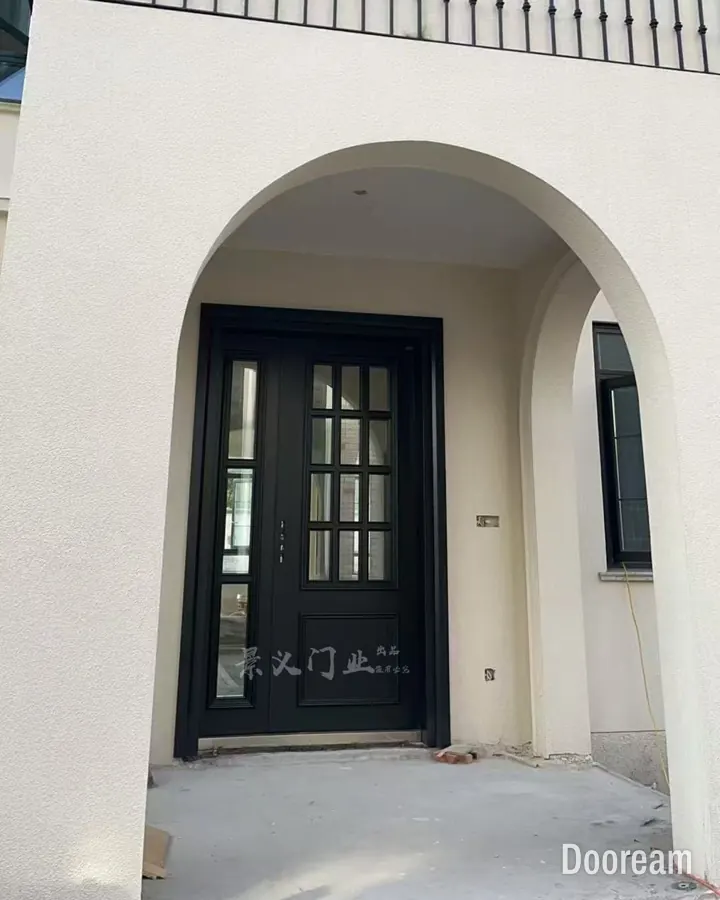
Short answer: AS 2047 is the Australian standard for windows and external glazed doors. The NCC requires framed sliding and swinging glazed doors in an external wall to comply with it, so an imported entrance door with glass needs test evidence to AS 2047 for its size and wind rating. A solid door without glass sits outside the standard's title, and the certifier decides how it is assessed. We do not currently hold Australian certification for our doors.
What does AS 2047 cover?
AS 2047:2014, Windows and external glazed doors in buildings, covers windows, glazed doors, adjustable louvres, shopfronts and window walls with one-piece framing. Products are tested to AS/NZS 4420.1 for:
- Wind pressure: deflection at serviceability pressure, and strength at ultimate pressure.
- Operating force.
- Air infiltration.
- Water penetration.
The test pressures come from the site’s wind class. For houses, AS 4055 sets the class (N1 to N6, C1 to C4).
When does the NCC require it?
For buildings under NCC Volume One, clause B1D4 says glazed assemblies in an external wall must comply with AS 2047. That includes windows and “sliding and swinging glazed doors with a frame, including french and bi-fold doors with a frame”. Frameless glazed doors, revolving doors and one-off windows not tested to AS 2047 are covered by AS 1288 instead. For houses, the ABCB Housing Provisions Part 8.2 deals with windows and external glazed doors, and Part 8.3 with glass.
What about a solid entrance door with no glass?
AS 2047 is written for glazed products. A solid door sits outside that title. That does not mean anything goes: the certifier still looks at weatherproofing, the building’s wind class and, in bushfire-prone areas, AS 3959. Ask your certifier early how they will assess the door, and tell your manufacturer if the door will have any glass, including side lights or a glazed panel in the leaf.
What do builders and certifiers check on an imported glazed door?
Queensland’s QBCC published a fact sheet on imported glazing and windows in September 2026. Its main points:
- Evidence is a test report from a NATA-accredited testing laboratory (or one recognised under a mutual recognition agreement), or a JASANZ-accredited certificate.
- Size limits: the installed product must not be more than 10% taller or wider than the tested specimen, or more than 15% larger in area.
- Labels: for Class 1 and 10 buildings, the certificate details (manufacturer, serviceability and ultimate wind pressures, water-penetration resistance) must be visible after installation.
- Glass certificates alone to AS/NZS 2208 or AS 1288 do not show that the assembly complies.
- Importers are part of the chain of responsibility for non-conforming building products.
What else applies to aluminium doors from China?
Australia’s trade-remedies case 691 covers aluminium windows and doors from China. Our pivot doors for Australia page explains the published height limit and what it means for doors taller than 3.0 m. Duty and GST are covered in EXW price vs landed cost.
How do we handle Australian projects?
- We make pivot doors up to 4,000 × 8,000 mm. Carved aluminium is the face we make most; faces can also be glass, sintered stone, wood or copper.
- We do not currently hold Australian certification for our doors.
- If a project needs AS 2047 or another test, we can arrange it with a test lab; the buyer usually pays the fee.
- Tell us the site’s wind class and whether the door includes glass when you send the opening.
Sources, checked October 2026: HIA, windows and external glazed doors in buildings; Building and Energy WA, Industry Bulletin 138; ABCB, NCC 2022 Volume One, B1 structural provisions and Housing Provisions Part 8.2; QBCC, Imported glazing, windows and non-conforming building products (September 2026); Australian Trade Remedies Commission, case 691.
Quick answers
Does AS 2047 apply to front doors?
AS 2047 covers windows and external glazed doors in buildings. Under the NCC, sliding and swinging glazed doors with a frame in an external wall must comply with it. A solid door with no glass sits outside its title, so ask your certifier how they will assess it.
What evidence should an imported glazed door come with?
QBCC asks for a test report from a NATA-accredited (or MRA-recognised) laboratory, or a JASANZ-accredited certificate, that covers the product as supplied. The product should not be more than 10% taller or wider, or 15% larger in area, than the size tested.
Do Dooream doors have Australian certification?
No, we do not currently hold Australian certification for our doors. If your project needs testing, we can arrange it with a test lab; the buyer usually pays the fee.